New: CannGo Care for skin, women's and men's health, obesity and follow-up prescriptions. Your cannabis area stays as it is.

Licensed doctors (DE/EU)

Prescription redeemable at any pharmacy

Fee refunded if the doctor declines

Data on servers in the EU

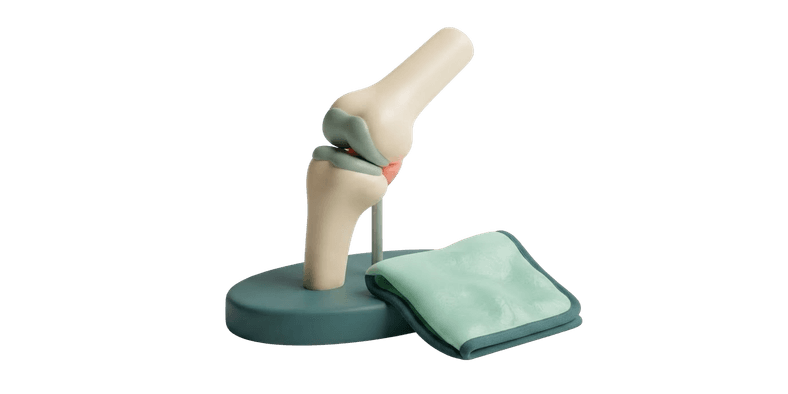
Knee joint model as a symbol for chronic pain

Individual help with chronic pain

Individual treatment approaches for chronic pain, tailored to your situation.

Request treatment now

Chronic pain

Chronic pain affects millions of people and significantly impacts quality of life

It can be caused by a variety of factors such as injury, illness or neurological disorders. Because conventional treatments are often not enough, holistic approaches that take both physical and psychological factors into account are becoming increasingly important.

What defines chronic pain?

Medically, pain is considered chronic when it lasts longer than three months. It can develop into a condition of its own and often requires specialised treatment.
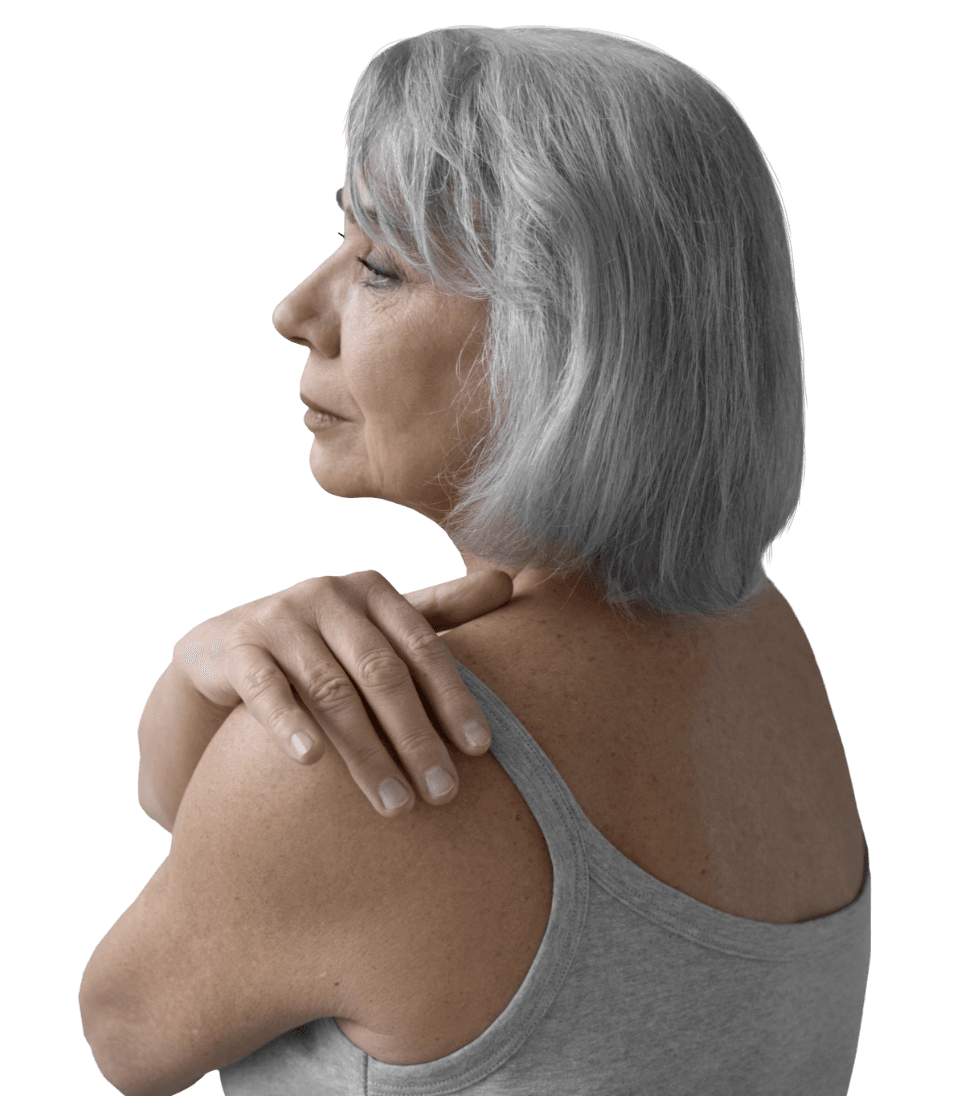
Older woman in profile holding her aching shoulder

Ways to provide support for chronic pain
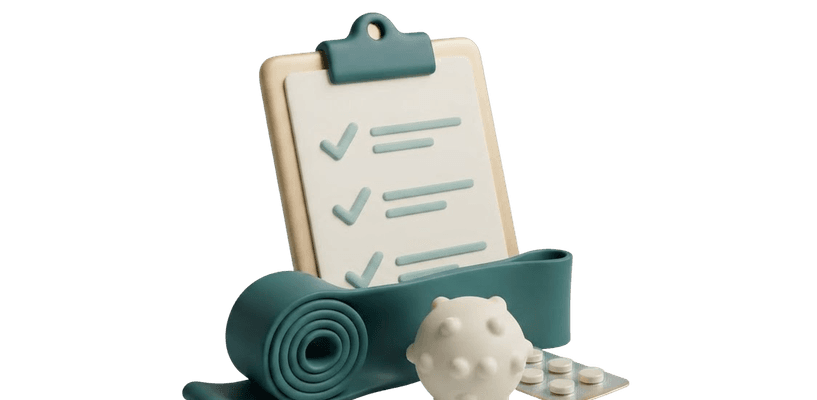
  • Clipboard with a checklist, an exercise mat and tablets

    Targeted pain relief

    Individually tailored treatment plans can help regulate pain signals and reduce the intensity of chronic symptoms. The focus is not only on medication but also on therapeutic measures.
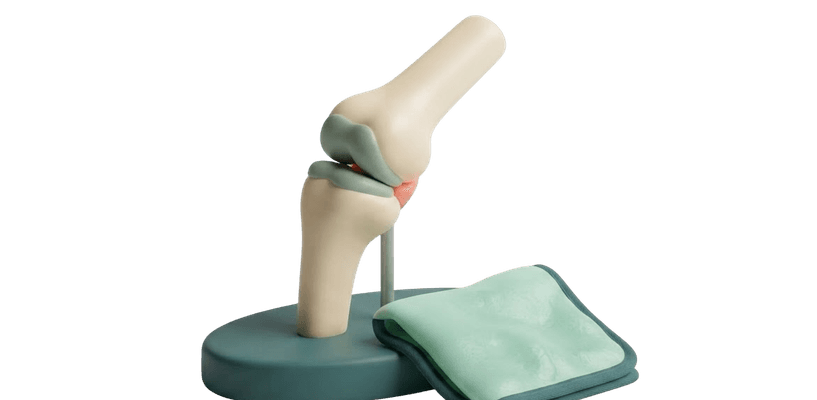
  • Knee joint model with a pad

    Natural anti-inflammatory treatment

    Inflammation is a common companion of chronic pain. With the right medical approach it can be reduced in a targeted way, improving wellbeing.

  • Clipboard with a checklist, scales and a stethoscope

    Important therapy considerations

    With every therapy it is important to take potential effects and side effects into account. Individual response to treatment can vary. An experienced doctor will assess your specific situation and develop a suitable treatment plan to ease your symptoms and improve your wellbeing.

Frequently asked questions

Here you'll find answers to the most common questions about our platform and the process.

At CannGo you start with an online registration in which you provide your medical history and current symptoms. You then have a virtual consultation with an experienced doctor who assesses your eligibility for treatment with medical cannabis. If the doctor determines that cannabis is a suitable therapy, you receive a prescription and can have the medication conveniently delivered to your home or collect it from your local pharmacy.

The treatment-request fee is 14,99 €. It covers the digital onboarding and the medical review; whether a prescription is issued is decided by the treating doctor. The medical service is billed under the GOÄ and the fee is credited against it. If the doctor declines the treatment, you get the fee back in full.

No, a prior medical consultation is mandatory. The doctor must carry out a comprehensive medical history and evaluate your medical background to ensure that treatment with cannabis is suitable and safe for you.

Medical cannabis is subject to strict legal regulations in Germany to ensure that it is used exclusively for medical purposes.

To obtain it, patients must hold a medical prescription, and only specific licensed pharmacies are authorised to sell medical cannabis.

Purchase and use are regulated by the Federal Institute for Drugs and Medical Devices (BfArM). Use is permitted exclusively for medical purposes, such as pain therapy or the treatment of chronic conditions.

Patients should inform themselves thoroughly about the applicable regulations and follow their doctor's instructions precisely to avoid legal issues and health risks. Through these strict regulations, medical cannabis in Germany is used responsibly and for targeted purposes.

Our body's endocannabinoid system plays a crucial role in regulating many physiological processes. Two main types of receptors in this system are the CB1 and CB2 receptors.

CB1 receptors are primarily located in the brain and central nervous system. They play a central role in regulating mood, appetite and pain perception. Substances like THC (tetrahydrocannabinol), found in cannabis, bind directly to these receptors. This leads to the psychoactive effects often associated with cannabis use.

In contrast, CB2 receptors are predominantly found in the peripheral nervous system and the immune system. They play an essential role in combating inflammation and supporting immune function. Cannabidiol (CBD), another cannabinoid from the hemp plant, interacts indirectly with these CB2 receptors without producing psychoactive effects. What this means for inflammation and pain is a subject of ongoing research.

While THC binds directly to CB1 receptors and thus produces stronger but less complex effects, CBD acts indirectly by modulating the entire endocannabinoid system. This interplay between receptors contributes significantly to the different effects of cannabis products.

Understanding the CB1 and CB2 receptors makes it easier to follow how different cannabinoids act on the human body. Whether that translates into a therapeutic benefit in an individual case is assessed by a doctor.

When is cannabis therapy useful?

Particularly useful when other treatments don't deliver the desired effect.
Important: A prescription is only issued within the framework of applicable law. The decision is made individually in the medical context.

The areas of use named here are based on documented indications and are not a promise of cure.

Medical cannabis in your city

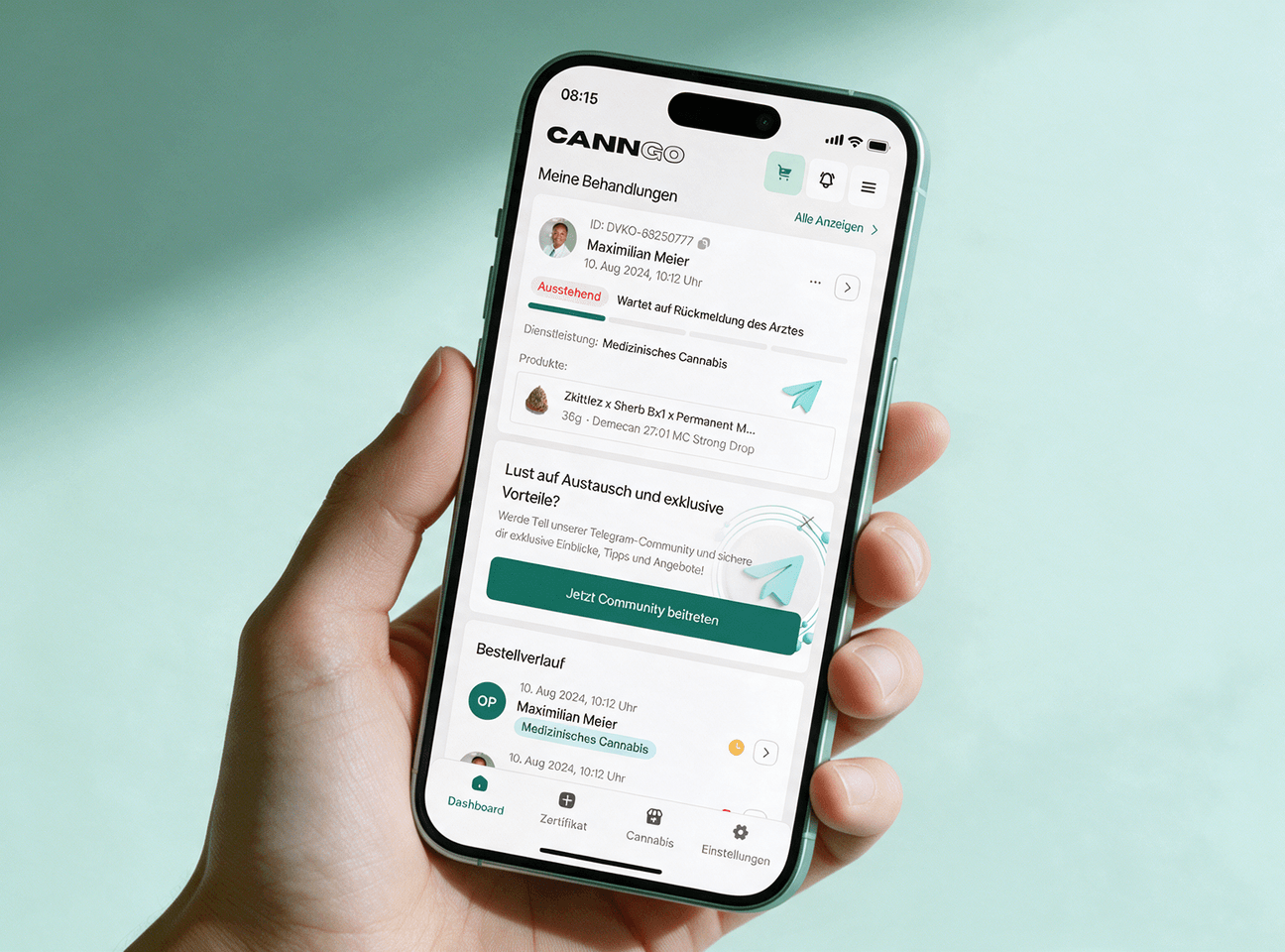
Hand holding a smartphone with the CannGo dashboard

Why CannGo?

Whether treatment with medical cannabis is right for you is decided individually by the treating doctor after reviewing your details.

  • No waiting in the doctor's office
  • No appointment stress
  • Treatment request - simple & digital
  • Discreet delivery straight to your home