Cannabis dosing on prescription: what matters?
The dose is adjusted individually - depending on symptoms, prior experience, dosage form and therapy goal.
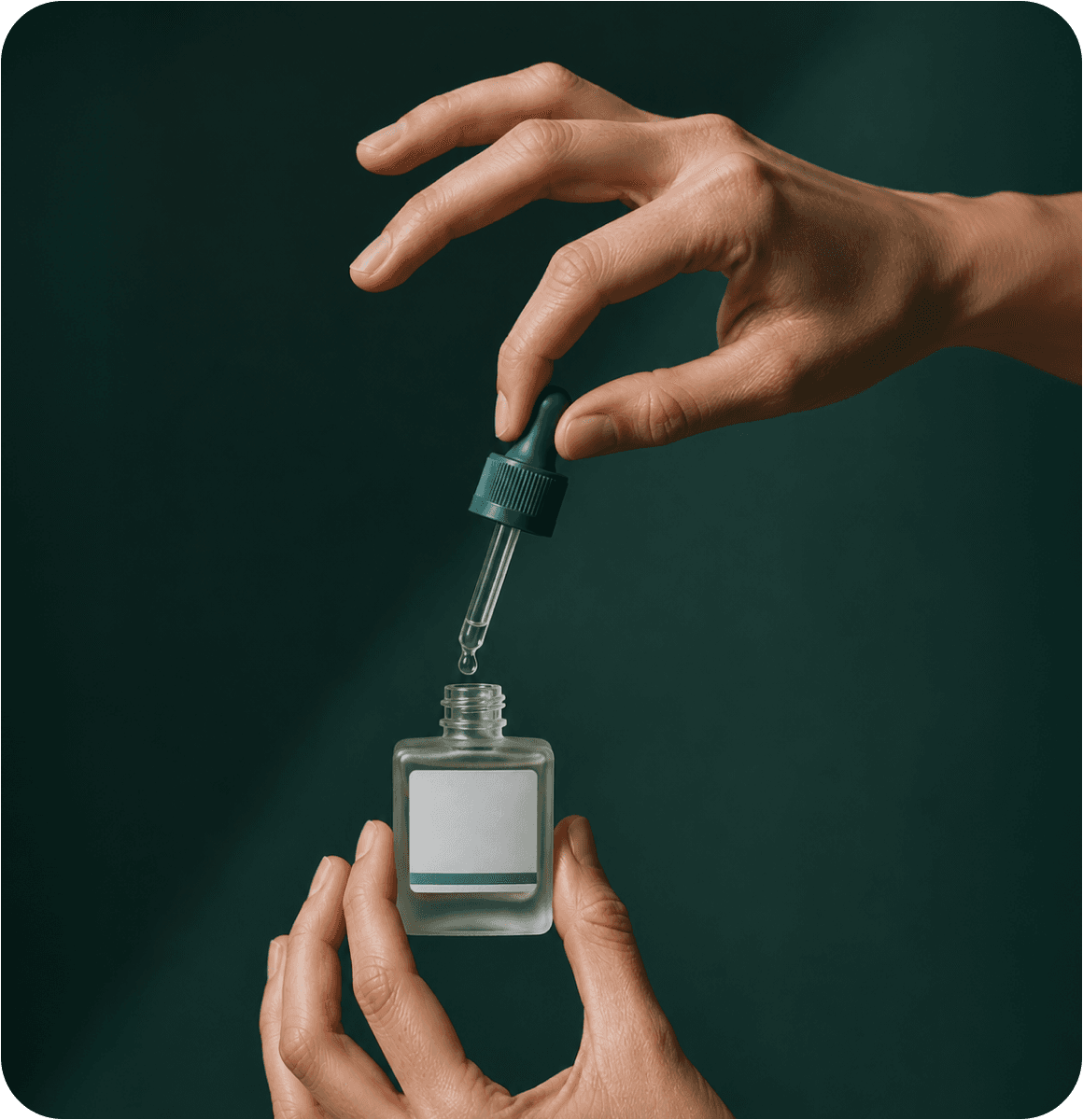

Why does 'start low, go slow' apply to cannabis?
Onset of effect and tolerability differ greatly between individual patients. Careful titration reduces the risk of unnecessary side effects and makes medical control easier.
Especially with THC-dominant preparations, the dose is adjusted step by step until a meaningful balance between effect and tolerability is reached.
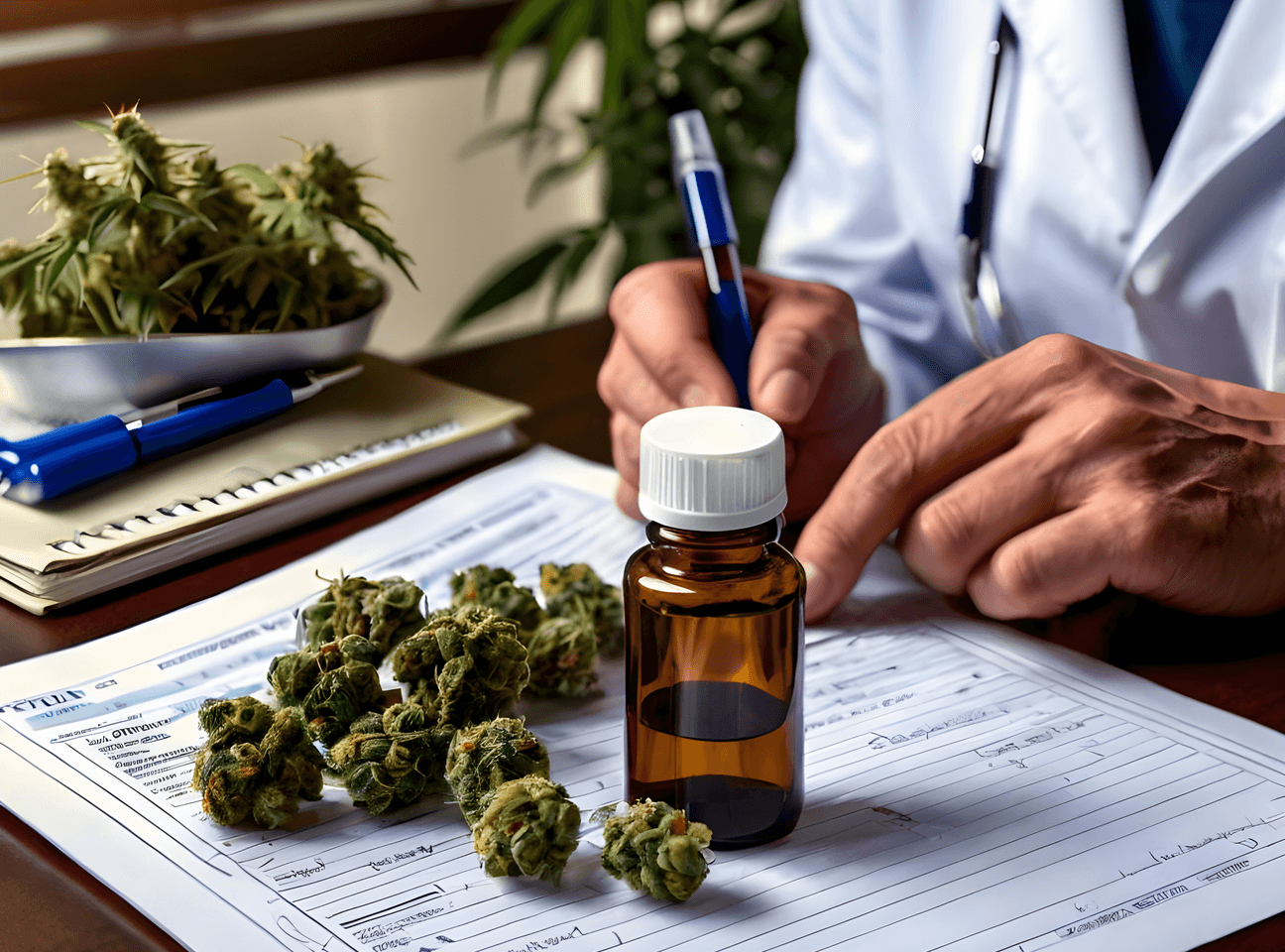
Which factors influence dosing?
Not only the diagnosis matters. Time of day, prior experience with cannabinoids, comorbidities, and the chosen application form also influence the right dose.
That's why dosing always belongs in a documented treatment plan and not in blanket internet recommendations.
- Diagnosis and severity of symptoms
- THC/CBD profile of the preparation
- Inhaled, oral or sublingual
- Co-medication and interactions
- Therapy goal, such as sleep, pain or spasticity

How is the course monitored?
A good therapy needs measurable target parameters. These can include pain intensity, sleep duration, side effects, or functional improvements relevant to everyday life.
If effect and tolerability are cleanly documented, the treatment can be adjusted, simplified or, if necessary, ended.
More guides

What does the treatment request cost?
Fees for the treatment request, self-payer logic and which additional costs can arise at the pharmacy.

What applies legally to medical cannabis?
The legal framework for telemedicine, online prescription, identity verification and medical prescription in Germany.

Which dosage forms exist?
Flowers, extracts, oils and capsules at a glance - differences, application and what to watch for when choosing.
For which conditions can medical cannabis be an option?
Whether treatment is an option is decided by the doctor after an individual review.









Important: A prescription is only issued within the framework of applicable law. The decision is made individually in the medical context.
The areas of use named here are based on documented indications and are not a promise of cure.