BMI Calculator: Calculate your Body Mass Index now
Calculate your BMI (Body Mass Index) and find out if your weight is in the healthy range and when medical treatment is advisable.
Note: BMI is only a guideline. For a sound assessment, measuring waist circumference is also important.

What is BMI?
The Body Mass Index (BMI) is an internationally recognized key figure for evaluating your body weight in relation to your height. It serves as a screening tool to determine whether you are of normal weight or whether you are underweight, overweight, or obese.
How to calculate your BMI
BMI is calculated by dividing your body weight in kilograms by your height in metres squared.
You are 1.75 m tall and weigh 85 kg.
85 kg
1.75 m
27.8 kg/m²
OverweightThe World Health Organization (WHO) has been using BMI since 1995 as the standard for classifying weight categories.
BMI Table: Weight Classification according to WHO
BMI (kg/m²)
< 18.5
18.5-24.9
25.0-29.9
30.0-34.9
35.0-39.9
≥ 40.0
Classification
Underweight
Normal weight
Overweight (Pre-obesity)
Obesity Grade I
Obesity Grade II
Obesity Grade III
Health Risk
Increased
Minimal
Slightly increased
Increased
High
Very high
Treatment Recommendation
Medical clarification
Maintain weight
Lifestyle intervention
Therapy recommended
Therapy strongly recommended
Intensive therapy required

At what BMI is obesity diagnosed?
Obesity begins at a BMI of 30.0 kg/m². A BMI of 30 or higher is no longer considered "just a few extra kilos" but a chronic disease that should be medically treated.
Obesity Grade I
BMI 30.0-34.9 kg/m²
Moderate obesity
- Increased risk of comorbidities
- Treatment: Lifestyle intervention + optional medication therapy
- Whether drug therapy is an option is decided by the doctor

Obesity Grade II
BMI 35.0-39.9 kg/m²
Severe obesity
- High risk of diabetes, high blood pressure, and joint problems
- Treatment: Medication therapy strongly recommended
- Weight loss goal: 10-15% of body weight

Obesity Grade III
BMI ≥ 40.0 kg/m²
Very severe obesity (morbid obesity)
- Very high risk of life-threatening complications
- Treatment: Intensive medication therapy and, if necessary, bariatric surgery

Your next step
The doctor checks from your answers whether treatment is an option.
Why is BMI important?
BMI is much more than just a simple number - it is an early warning system for your health.
Early detection of health risks
People with an elevated BMI have a significantly higher risk of:
+89% risk at BMI 30-35 compared to normal weight
+32% risk per 5 BMI units
2-3x higher risk with obesity
40-70% of people with obesity are affected
75-92% detectable in people with obesity
300% increased knee osteoarthritis risk
Basis for treatment decisions
The S3 Guideline on Obesity of the German Obesity Society defines clear treatment indications based on your BMI:
Lifestyle intervention for comorbidities
Structured weight reduction, optional medication
Medical therapy recommended
Intensive therapy, possibly bariatric surgery
Progress monitoring during therapy
Your BMI objectively shows whether your weight loss therapy is successful:
Improvement in metabolic parameters
Significant reduction in cardiovascular risk factors
Remission of type 2 diabetes possible in up to 73% of cases
BMI Calculator vs. other measurement methods
BMI is the most commonly used method for weight classification - but not the only one. Find out how other methods compare.
BMI (Body Mass Index)
Pros:
- Quick and easy to calculate
- No equipment required
- Internationally standardized (WHO)
- Good correlation with health risks
Cons:
- Does not distinguish between fat and muscle mass
- Does not account for fat distribution
- Can be inaccurate for athletes
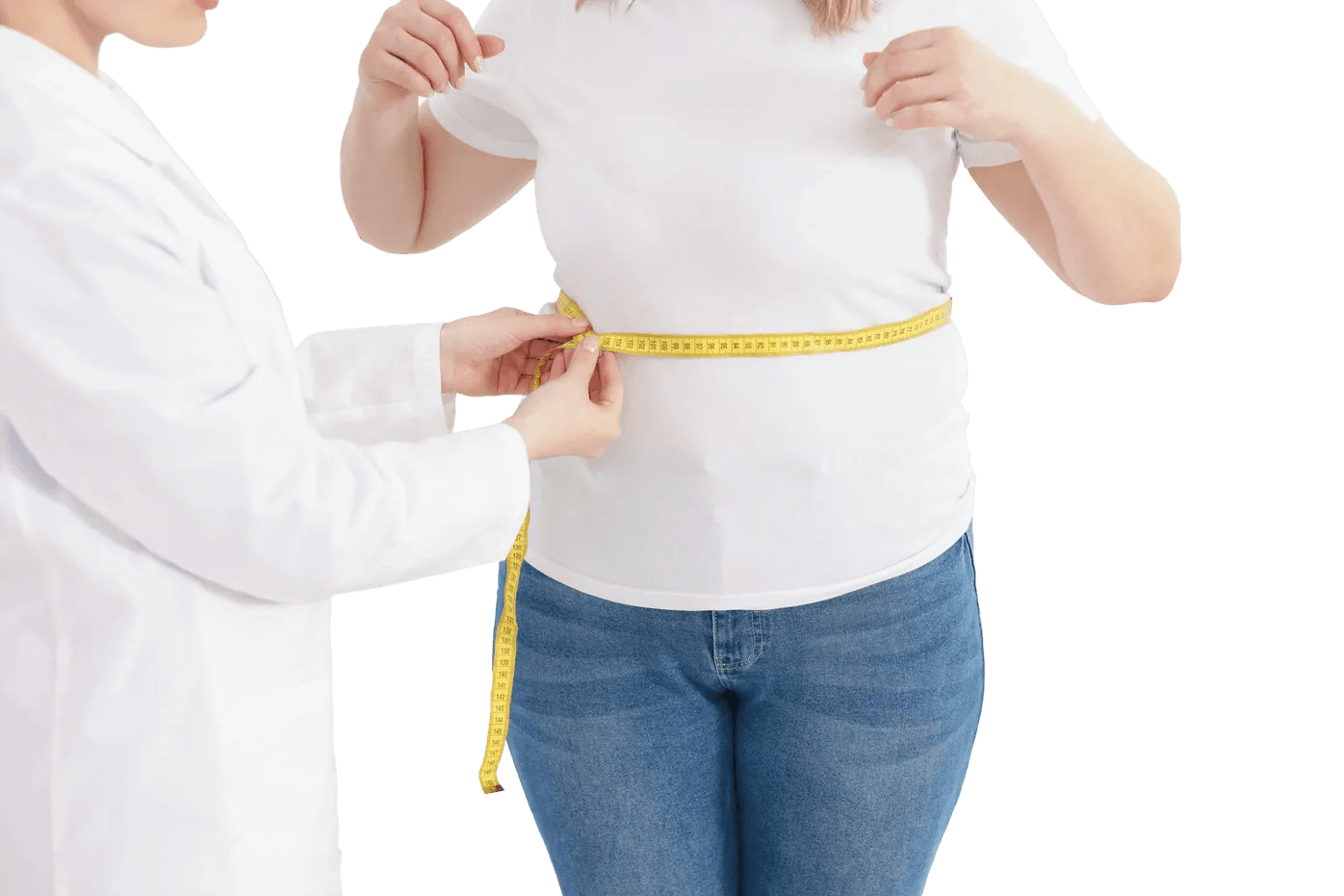
Waist Circumference
Method: Measure your waist circumference at the level of your navel
Women:
> 88 cm
= increased risk
Men:
> 102 cm
= increased risk
Advantage: Indicates visceral (belly) fat, which is particularly metabolically unfavorable.
Waist-to-Hip-Ratio (WHR)
Formula: Waist circumference / Hip circumference
Women:
> 0.85
= increased risk
Men:
> 0.90
= increased risk
Advantage: Captures fat distribution (apple vs. pear shape).
Body Fat Percentage (BIA / DEXA)
Methods: Bioelectrical Impedance Analysis (BIA): Body fat scale | DEXA Scan: Gold standard, but expensive and only clinically available
Advantage: Most direct measurement of body composition.
Limitations of BMI: When is it inaccurate?
BMI is a screening tool, not a diagnostic precision instrument. In certain cases, it can be misleading:
1. Very muscular people
Muscle mass is heavier than fat mass. A bodybuilder with a lot of muscle mass can have a BMI of 30+ without being obese.
Solution: Combine BMI with body fat percentage measurement or waist circumference
2. Older people (> 65 years)
With age, muscle mass decreases (sarcopenia) while body fat percentage increases. A "normal" BMI can hide hidden obesity here.
Recommendation: For seniors, BMI values of 25-27 are considered optimal for life expectancy.
3. Ethnic differences
The WHO BMI classification was primarily developed for European populations. Lower limits apply to Asian populations:
Overweight: BMI ≥ 23 (instead of 25) | Obesity: BMI ≥ 27.5 (instead of 30)
4. Pregnant women
BMI is not meaningful during pregnancy.
BMI and Health Risks: The Evidence
The link between BMI and health risks is proven by thousands of studies. Here are the key findings:
Type 2 Diabetes
The EPIC-Potsdam study showed:
+65% diabetes risk
+189% diabetes risk
+475% diabetes risk
Benefit: Every BMI unit over 25 increases the diabetes risk by 25%.
Cardiovascular Diseases
A meta-analysis of 97 studies (2.9 million participants) found: Per 5 BMI units over 25: +27% cardiovascular mortality.
Life Expectancy
Optimal life expectancy is at a BMI of 22-25 kg/m².
-3 years life expectancy
-7 years life expectancy
-10 years life expectancy
Cancer Risk
Obesity is associated with 13 types of cancer, including:
Benefit: Per 5 BMI units: +10-40% cancer risk (depending on cancer type).
What to do if your BMI is too high?
With an elevated BMI, a doctor advises you on the treatment options.
Set realistic goals
You don't have to reach "normal weight" to achieve health benefits. Just a 5-10% weight loss results in:
Example: With a starting weight of 100 kg, a 5-10 kg weight loss is already highly medically relevant.
Dietary changes
Calorie deficit is crucial:
Plan for a moderate deficit of 300-500 kcal/day → Expectation: 0.5-1 kg weight loss per week
Increase protein intake:
Goal: 1.6-2.2g protein/kg body weight → Advantage: Maintenance of muscle mass, higher satiety
Integrate physical activity
Strength training + moderate endurance:
2-3x/week strength training (muscle maintenance!) + 150-300 min./week moderate endurance exercise.
Important: Diet is more important than exercise for weight loss.
Medication support (BMI 30+)
Since 2021, GLP-1 receptor agonists have been approved for obesity treatment:
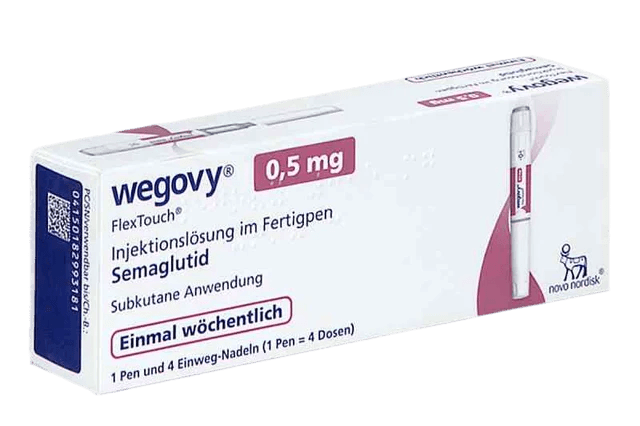
Wegovy®
Semaglutide- Weight loss
- ~15%
- Injection
- 1x/week
€275-365 /month
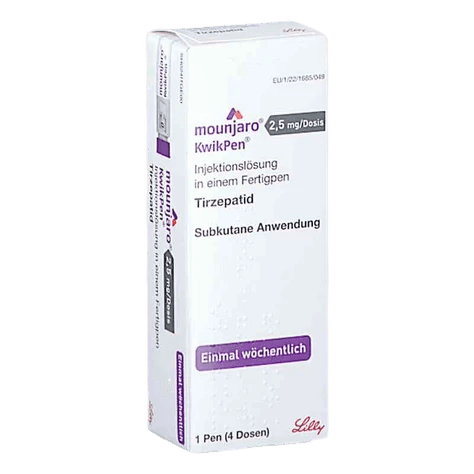
Mounjaro®
Tirzepatide- Weight loss
- ~22%
- Injection
- 1x/week
€298-425 /month
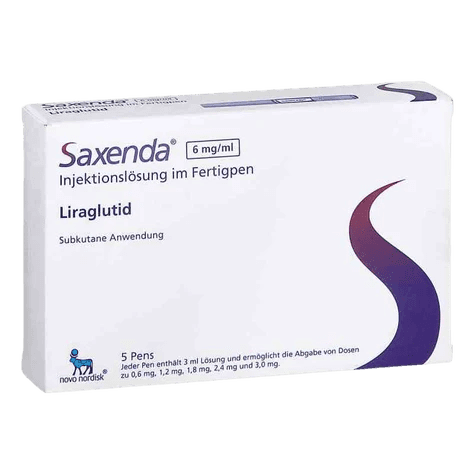
Saxenda®
Liraglutide- Weight loss
- ~8-10%
- Injection
- 1x/day
€280-320 /month